Týr

One-handed god of lawful assembly, justice, and heroic sacrifice. Týr famously placed his hand into Fenrir’s jaws as a pledge of trust, knowing it would be severed when the trap snapped. He fights the hell-hound Garmr at Ragnarök in mutual death.
Deity / Divine Power Eddic Tradition Snorri (Gylfaginning) Pan-Norse Tradition
◆ 30-Second Glimpse

One-handed god of lawful assembly, justice, and heroic sacrifice. Týr famously placed his hand into Fenrir’s jaws as a pledge of trust, knowing it would be severed when the trap snapped. He fights the hell-hound Garmr at Ragnarök in mutual death.

Identity & Mythological Role

1. The God of Law and Supreme Sacrifice

In ancient Germanic antiquity, Týr (Proto-Germanic *Tīwaz) was revered as the prime celestial authority of law and fair combat. His sacrifice was not born of battle frenzy, but of solemn legal duty: preserving cosmic order even at the cost of personal maiming.

Sacred Symbols & Motifs

Mythological • Archetypal Motifs
Severed right wrist (emblem of legal integrity and sacred self-sacrifice)
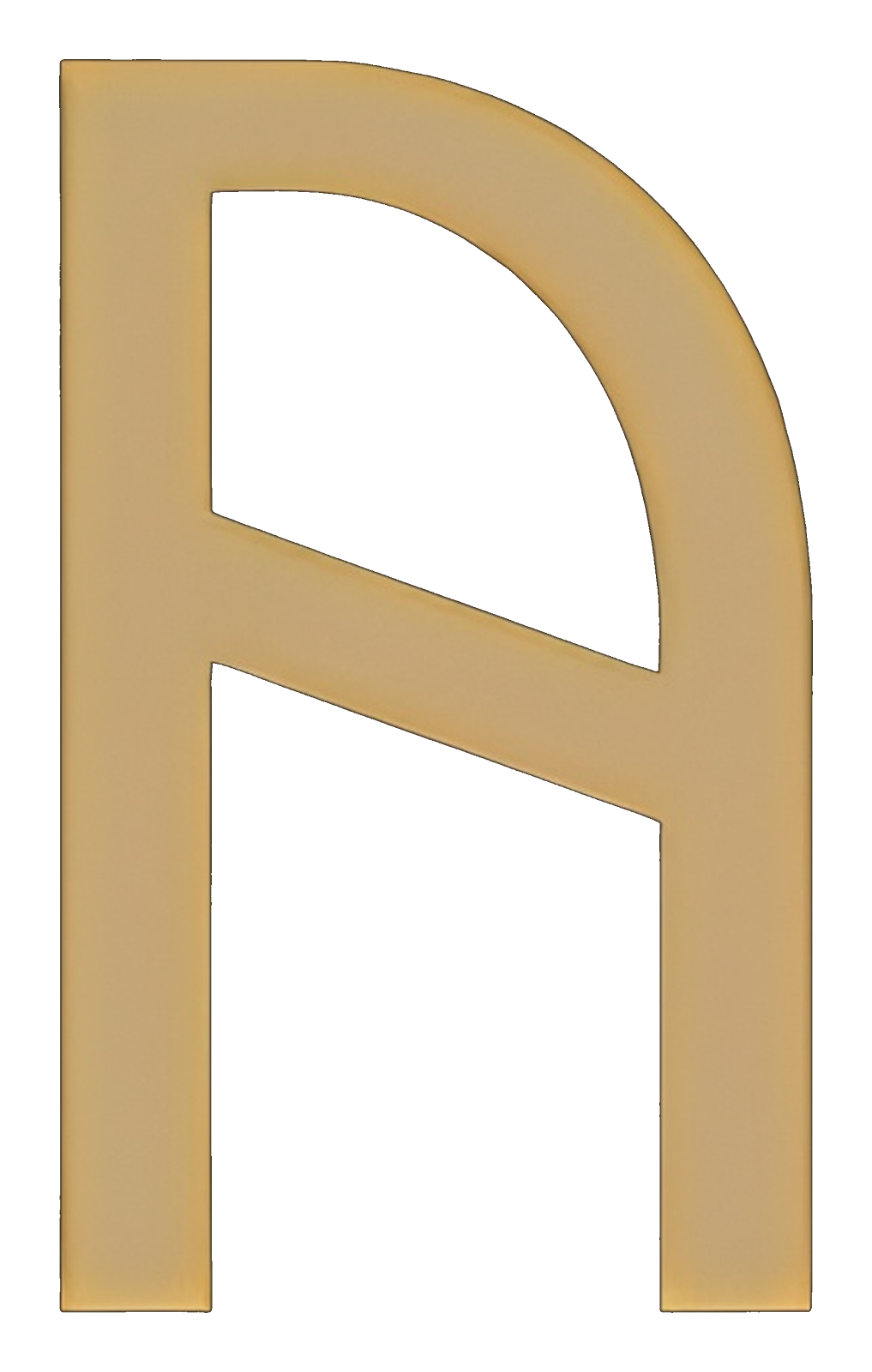
Týr rune (Tiwaz arrow pointing toward moral truth and victory)
Sacred sword of justice

Archetypal Resonance

Modern Archetypal Reading

This section is not ancient mythological dogma, but a modern symbolic depth psychology inquiry developed within the ARKETIPYA framework.

Featured Epics & Narratives

Legends centering upon Týr

Fenrir'in Bağlanması

Tanrıların kehanet korkusuyla büyüttükleri dev kurt Fenrir'i Gleipnir ile bağlamalarını, Týr'ın sağ elini rehine koyup feda edişini ve düzen uğruna çiğnenen kutsal güveni ele alan kaynak-eleştirel anlatı.

Lokasenna — Ægir'in Şöleni

Deniz devi Ægir'in salonunda toplanan tanrılar şölenine davetsiz dönen Loki'nin panteonun tüm üyelerine tek tek hakaretler yağdırdığı, tabuları sarstığı ve Thor'un çekiciyle kovulduğu kaynak-eleştirel anlatı.

Ragnarök — The Doom of the Gods and Twilight of the Cosmos

The climactic eschatological apocalypse of Norse mythology. After moral collapse and the relentless Fimbulwinter, cosmic bonds shatter: Fenrir and Loki break free, the Midgard Serpent rises, and gods clash with chaos monsters in mutual annihilation before the earth rises renewed.

Other Figures from this Pantheon

Other forces of the Norse tradition

Jötunn (Giant)

Hrungnir

İskandinav mitolojisinde devlerin en güçlü dövüşçüsü; taş kalpli ve taş kalkanlı, Asgard'a sarhoşça meydan okuduktan sonra Thor ile...

Deity / Divine Power

Heimdallr

The white god and vigilant watchman of Asgard, dwelling at Himinbjörg where Bifröst touches the heavens. Possessing miraculous...

Creature / Beast

Garmr

İskandinav mitolojisinde Gnipahellir mağarasında bağlı duran, feryatla havlayarak zincirlerin kopuşunu haber veren, Snorri anlatısında Týr ile birbirini karşılıklı...

✦ ARKETIPYA EDITORIAL & ACADEMIC REVIEW
Son Metodolojik İnceleme: Kasım 2026 • Sürüm 1.3.0

Metodoloji & Kuramsal Temel

Bu içerik; Carl Gustav Jung'un analitik psikoloji kuramı (arketipler, kolektif bilinçdışı ve gölge entegrasyonu), Carol S. Pearson'ın 12 karakter modeli ve Joseph Campbell'ın monomit (Kahramanın Sonsuz Yolculuğu) çerçevesi esas alınarak Arketipya Derinlik Psikolojisi Masası tarafından hazırlanmıştır.

Referans Literatür

  • Jung, C. G. (1969). Arketipler ve Kolektif Bilinçdışı (CW 9i). Princeton University Press.
  • Pearson, Carol S. (1991). İçimizdeki Kahraman: Yaşadığımız Altı Arketip. HarperCollins.
  • Campbell, Joseph (1949). Kahramanın Sonsuz Yolculuğu. Pantheon Books.
  • Hillman, James (1983). Arketipsel Psikoloji (Archetypal Psychology). Spring Publications.

Kuramsal Uyarı: Arketipya içerikleri ve analizleri klinik teşhis veya tıbbi psikoterapi yerine geçmez; sembolik farkındalık, felsefi tefekkür ve bireyleşme (individuation) yolculuğu için yorumlayıcı bir rehber niteliğindedir.

← Return to Norse Mythology
Meow! I am Nazar 🐾 Want to ask something?