
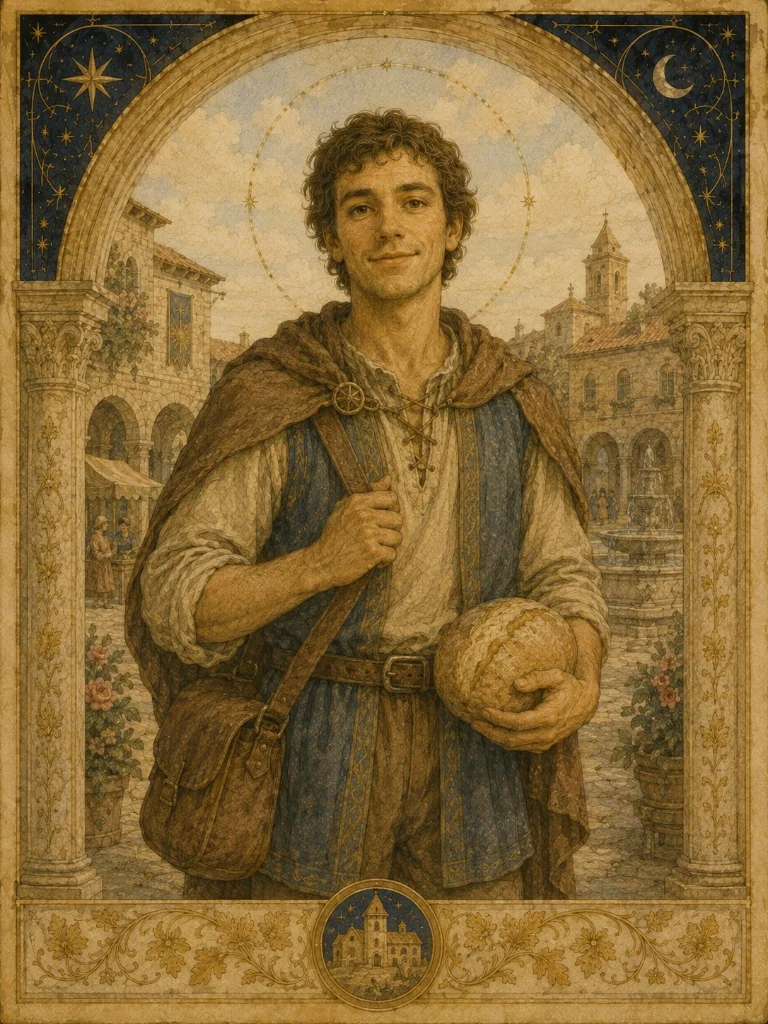
Everyman
Values unpretentious empathy, heartfelt equality, and down-to-earth belonging.
What is the Everyman Archetype? Worldview and Motivation
All human beings share the same core struggles, joys, and worth.
The Everyman (also known as the Regular Guy/Gal, Citizen, or Orphan) represents the fundamental human need for fellowship, equality, and unpretentious belonging. Grounded in common sense and genuine empathy, this archetype reminds us that every soul possesses intrinsic dignity.
Free from elitist vanity and arrogance, the Everyman builds authentic bridges between diverse walks of life. They value reliability, fairness, and mutual support, believing that we are all weathering the human condition together.
When fully integrated, the Everyman overcomes the fear of rejection, realizing that true belonging begins with unconditional self-acceptance, transforming solidarity into a powerful force for compassionate democracy.
Core Behavioral Strategy and Action Style
Practicing empathy, staying humble, and fostering inclusive, welcoming communities.
Strengths
- Radical Empathy: Instinctively senses how ordinary people feel and communicates without pretense.
- Dependable Groundedness: Serves as the reliable, stable backbone of teams and families through thick and thin.
Daily Life
- Greeting everyone with genuine warmth and treating all people as equals.
- Offering practical, reliable assistance without expecting praise or fanfare.
- Listening attentively and relating to the lived experiences of colleagues and neighbors.
- Diffusing social tension through humor, down-to-earth honesty, and modesty.
- Valuing honest teamwork and collective solidarity above individual stardom.
Relationships
Loyal, warm, reliable, and deeply empathetic. Prized as the most faithful of friends and steadfast partners.
Work and Creativity
Excels in community advocacy, customer experience, team coordination, human resources, and civic initiatives.
Cultural and Mythological Resonance of the Everyman Archetype
Fictional Examples
Samwise Gamgee
The Lord of the RingsThe humble gardener whose steadfast loyalty and devotion saves the quest.
Mythological Examples
Baucis and Philemon (Greco-Roman Myth)
The humble elderly couple who welcomed the gods into their modest cottage with pure hospitality.
Real-World Examples
Will Rogers
Beloved humorist and commentator who famously said, "I never met a man I didn't like."
Astrological Resonances of the Everyman Archetype
Planetary placements and zodiac signs in your birth chart reveal through which themes this archetype awakens.
Self-Discovery: Transformation Questions for Everyman
- Am I dampening my true gifts just to fit in and avoid rocking the boat?
- How can I honor my unique voice while remaining deeply grounded in fellowship?
- Can I embrace my own worthiness without needing everyone to validate me?
Frequently Asked Questions About Everyman
What is the core desire and motivation of the Everyman archetype?
To belong, connect warmly, and experience equal camaraderie with others. Behavioral strategy: Practicing empathy, staying humble, and fostering inclusive, welcoming communities.
How does the shadow of the Everyman archetype manifest?
The shadow manifests under excessive distress, loss of autonomy, or repressed emotions.
How can I discover my dominant archetype and shadow?
Discover your primary, auxiliary, and shadow archetypes immediately by taking the 12 Archetypes Personality Test engineered on Carl Jung's analytical psychology model.
Deep Motivations and Fears
Unconscious Drive
Hidden Fear
Awakening of the Shadow
Trigger Patterns
Defensive Behaviors
Signs of Activation
Distortion of Power and Projection
Impact on Spheres of Life
Relationships
Work and Power
Integration and Illumination
Self-Discovery Questions
Cultural Resonance
Fictional Examples
Metodoloji & Kuramsal Temel
Bu içerik; Carl Gustav Jung'un analitik psikoloji kuramı (arketipler, kolektif bilinçdışı ve gölge entegrasyonu), Carol S. Pearson'ın 12 karakter modeli ve Joseph Campbell'ın monomit (Kahramanın Sonsuz Yolculuğu) çerçevesi esas alınarak Arketipya Derinlik Psikolojisi Masası tarafından hazırlanmıştır.
Referans Literatür
- Jung, C. G. (1969). Arketipler ve Kolektif Bilinçdışı (CW 9i). Princeton University Press.
- Pearson, Carol S. (1991). İçimizdeki Kahraman: Yaşadığımız Altı Arketip. HarperCollins.
- Campbell, Joseph (1949). Kahramanın Sonsuz Yolculuğu. Pantheon Books.
- Hillman, James (1983). Arketipsel Psikoloji (Archetypal Psychology). Spring Publications.
Kuramsal Uyarı: Arketipya içerikleri ve analizleri klinik teşhis veya tıbbi psikoterapi yerine geçmez; sembolik farkındalık, felsefi tefekkür ve bireyleşme (individuation) yolculuğu için yorumlayıcı bir rehber niteliğindedir.
Discover Your Dominant Archetype
Analyze your unconscious patterns, primary and secondary archetypes, and relational resonance matrix now.