
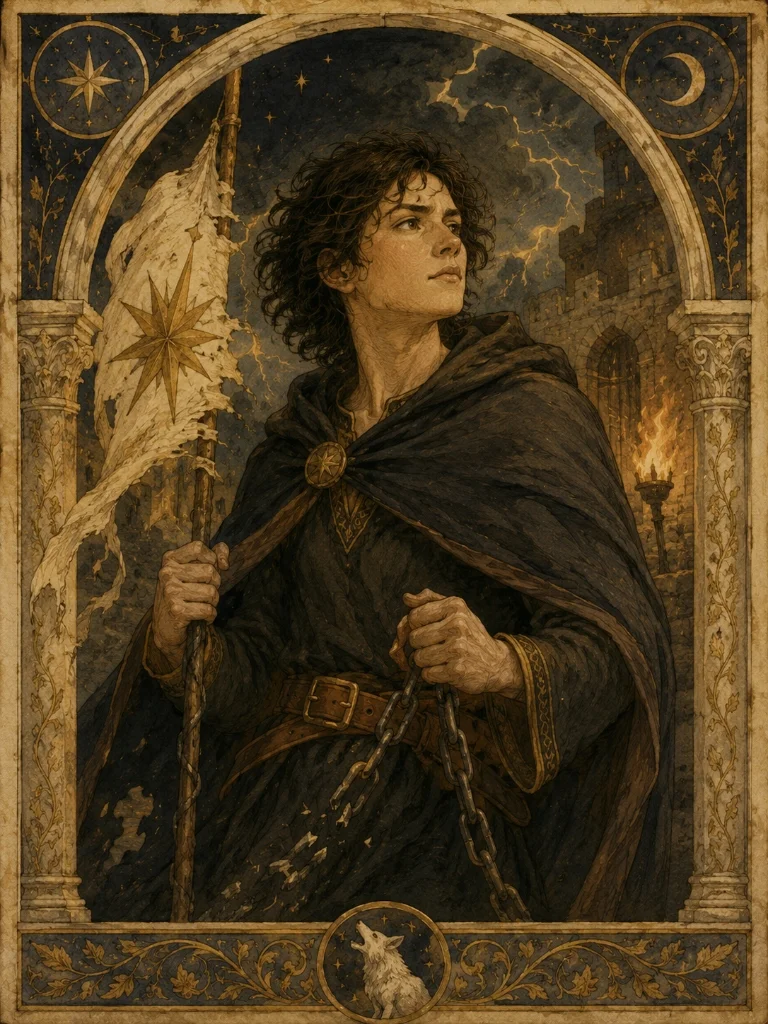
Outlaw
Challenges obsolete structures, disrupting orthodoxies to spark liberation.
What is the Outlaw Archetype? Worldview and Motivation
Outdated rules exist to be questioned; true evolution requires courageous disruption.
The Outlaw (or Rebel) archetype appears when existing systems, traditions, or societal norms have become corrupt, stifling, or tyrannical. Armed with fierce authenticity and unapologetic audacity, the Outlaw shatters illusions and tears down hollow barriers.
Unintimidated by taboos, this archetype is willing to be misunderstood or ostracized if it means awakening collective freedom. They possess an instinctive detector for hypocrisy and refuse to yield their autonomy to unjustified authority.
When constructively integrated, the Outlaw transforms destructive rebellion into visionary reform, using radical courage not merely to dismantle the obsolete, but to clear fertile ground for regenerative new life.
Core Behavioral Strategy and Action Style
Disrupting rigid conventions, speaking unfiltered truth, and fighting for emancipation.
Strengths
- Fierce Authenticity: Uncompromising fidelity to inner truth, regardless of external social pressure.
- Catalytic Disruption: Breaks paralysis in organizations and individuals by exposing hidden orthodoxies.
Daily Life
- Challenging unexamined rules and dogmas that hinder genuine human progress.
- Standing firmly alongside outcasts and those marginalized by mainstream culture.
- Expressing radical creative originality without bowing to social validation.
- Cutting through corporate or social pretenses with sharp, refreshing honesty.
- Catalyzing rapid transformation when stagnant groups are stuck in inertia.
Relationships
Passionate, intensely direct, and unyielding. Respects partners who have the courage to stand their ground.
Work and Creativity
Flourishes in disruptive startups, counter-cultural art, activist campaigns, investigative journalism, and frontier innovation.
Cultural and Mythological Resonance of the Outlaw Archetype
Fictional Examples
Robin Hood
English FolkloreDefies corrupt tyranny to restore equity and dignity to the disenfranchised.
Mythological Examples
Real-World Examples
Malcolm X
Unapologetic voice against systemic oppression and uncompromising fighter for dignity.
Astrological Resonances of the Outlaw Archetype
Planetary placements and zodiac signs in your birth chart reveal through which themes this archetype awakens.
Self-Discovery: Transformation Questions for Outlaw
- Am I rebelling for genuine transformation, or merely reacting out of wounded pride?
- What sacred vision am I building once the obsolete walls have fallen?
- Can I harness my fiery passion toward healing rather than burning bridges?
Frequently Asked Questions About Outlaw
What is the core desire and motivation of the Outlaw archetype?
To revolutionize obsolete paradigms, avenge injustice, and liberate the captive spirit. Behavioral strategy: Disrupting rigid conventions, speaking unfiltered truth, and fighting for emancipation.
How does the shadow of the Outlaw archetype manifest?
The shadow manifests under excessive distress, loss of autonomy, or repressed emotions.
How can I discover my dominant archetype and shadow?
Discover your primary, auxiliary, and shadow archetypes immediately by taking the 12 Archetypes Personality Test engineered on Carl Jung's analytical psychology model.
Deep Motivations and Fears
Unconscious Drive
Hidden Fear
Awakening of the Shadow
Trigger Patterns
Defensive Behaviors
Signs of Activation
Distortion of Power and Projection
Impact on Spheres of Life
Relationships
Work and Power
Integration and Illumination
Self-Discovery Questions
Cultural Resonance
Fictional Examples
Metodoloji & Kuramsal Temel
Bu içerik; Carl Gustav Jung'un analitik psikoloji kuramı (arketipler, kolektif bilinçdışı ve gölge entegrasyonu), Carol S. Pearson'ın 12 karakter modeli ve Joseph Campbell'ın monomit (Kahramanın Sonsuz Yolculuğu) çerçevesi esas alınarak Arketipya Derinlik Psikolojisi Masası tarafından hazırlanmıştır.
Referans Literatür
- Jung, C. G. (1969). Arketipler ve Kolektif Bilinçdışı (CW 9i). Princeton University Press.
- Pearson, Carol S. (1991). İçimizdeki Kahraman: Yaşadığımız Altı Arketip. HarperCollins.
- Campbell, Joseph (1949). Kahramanın Sonsuz Yolculuğu. Pantheon Books.
- Hillman, James (1983). Arketipsel Psikoloji (Archetypal Psychology). Spring Publications.
Kuramsal Uyarı: Arketipya içerikleri ve analizleri klinik teşhis veya tıbbi psikoterapi yerine geçmez; sembolik farkındalık, felsefi tefekkür ve bireyleşme (individuation) yolculuğu için yorumlayıcı bir rehber niteliğindedir.
Discover Your Dominant Archetype
Analyze your unconscious patterns, primary and secondary archetypes, and relational resonance matrix now.